A luxury hotel in Lagos, Nigeria was experiencing mixed customer satisfaction levels. Some guests felt the hotel catered well to their needs, while others found the services misaligned with their preferences. The hotel management struggled to identify why certain guests returned while others did not.
To understand guest expectations better, I designed a system to collect and analyze guest demographic data. This system categorized guests by nationality and linked their preferences to feedback trends.
Findings:
The data revealed that:
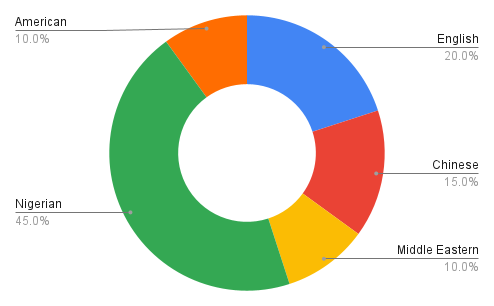
45% of guests were Nigerian, yet hotel services did not fully cater to their needs.
20% were from England, preferring adventure tourism and requesting more tour packages.
15% were from China, often requesting hot water kettles in rooms.
10% were from the Middle East, seeking halal food and prayer facilities.
10% were from the U.S., prioritizing high-speed internet and business amenities.
Solution Implemented:
Using these insights, I proposed and implemented the following:
Enhanced local cuisine and introduced flexible check-out times for Nigerian guests.
Developed adventure tourism packages for European visitors.
Added tea kettles in rooms for Chinese guests.
Offered halal meal options and prayer spaces for Middle Eastern travelers.
Upgraded Wi-Fi and created co-working spaces for American business travelers and for all.
Outcome:
Within six months, the hotel:
Increased guest satisfaction scores by 30%
Boosted repeat bookings by 20%, particularly from local Nigerian guests.
Improved online reviews, attracting more international visitors.
By leveraging demographic analysis, I transformed raw data into actionable business improvements, leading to better guest retention and revenue growth.