Problem:
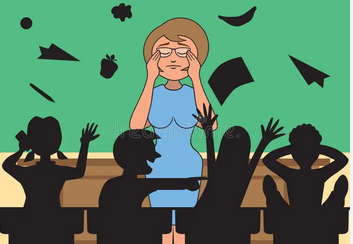
A primary school was struggling with frequent cases of classroom disruptions, lack of cooperation, and a decline in students’ motivation to follow school rules. Teachers found themselves repeatedly addressing the same behavioural issues, and traditional disciplinary methods were not yielding lasting results.
Solution:
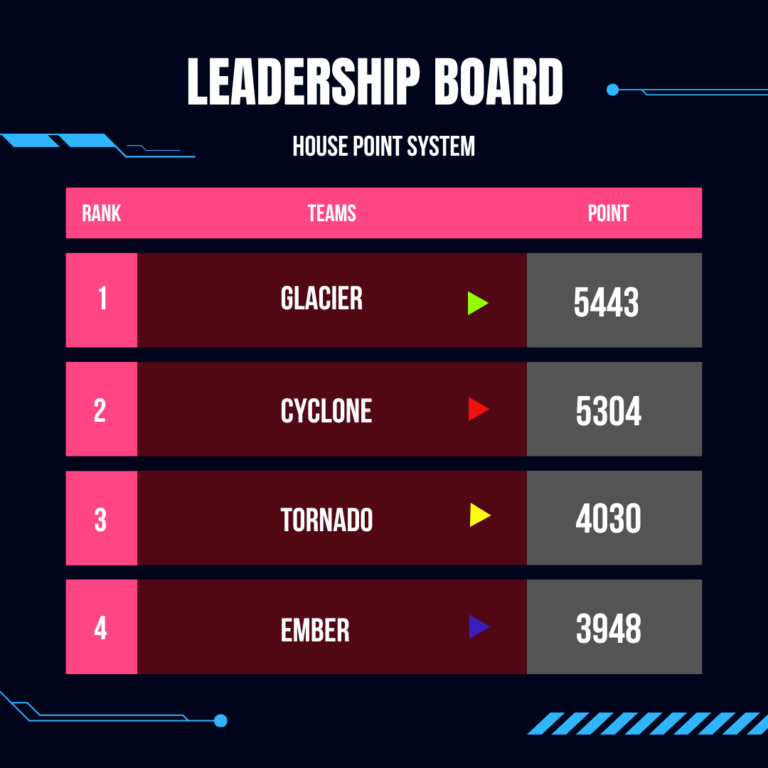
To address this, the school introduced a House Point System, where students were grouped into four houses and earned points for positive behaviour, teamwork, and academic excellence. Conversely, points could be deducted for repeated misbehavior. At the end of each term, the house with the highest points received special recognition and rewards, such as certificates, extra playtime, or a fun trip.
Impact:
Increased Positive Behaviour: Students became more mindful of their actions, knowing their behaviour contributed to their house’s success.
Peer Accountability: Since every student’s behaviour affected their house’s total points, peers encouraged one another to follow rules.
Improved Teacher-Student Relationship: Instead of constant reprimands, teachers used the system to reinforce good behaviour with encouragement.
Sustained Engagement: The competitive and rewarding nature of the system kept students consistently engaged and motivated.
Within one term, there was a clear change in pupils’ behaviour and a more positive classroom environment. The house point system successfully turned discipline into a motivating factor rather than just a punitive measure.